
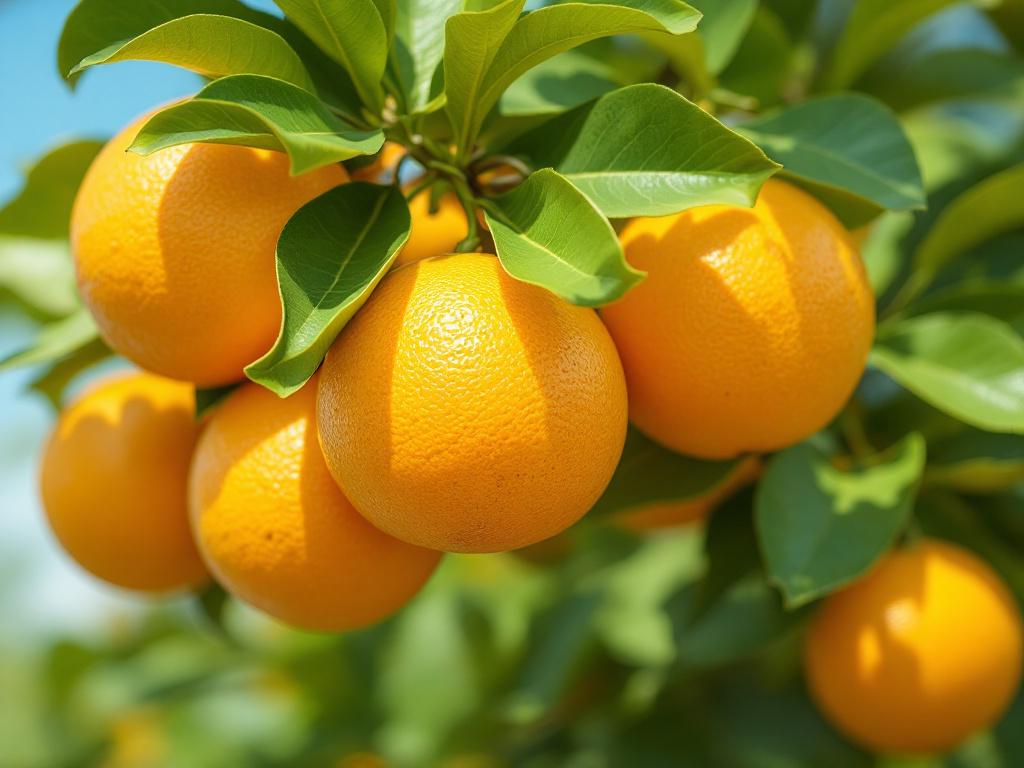
Image generated by flux-ai.io & content generated by ChatGPT Version 4o-mini
Nourishing Florida’s Citrus: Best Practices for Bay County Growers
Residents of Bay County, Florida, are familiar with the bright, juicy oranges and tangy grapefruits that thrive in our warm climate. However, the health and productivity of our beloved citrus trees are highly dependent on the right nutrition. Recent research from the University of Florida has shed light on effective fertilization methods that can help our local citrus growers enhance tree health and fruit quality, especially in the face of challenges like citrus greening disease.
The Importance of Nutrition
Citrus trees, like any other living organism, need a balanced diet to flourish. This means they require a variety of nutrients, including nitrogen (N), phosphorus (P), and potassium (K), as well as other micronutrients. Just as a balanced meal helps you grow strong, the right mix of fertilizers helps citrus trees produce more fruit and stay healthy.
Controlled-Release Fertilizers: A New Approach
One of the key findings from the research is the effectiveness of Controlled-Release Fertilizers (CRFs). Unlike traditional fertilizers that release nutrients quickly, CRFs release nutrients slowly over time. Think of CRFs as a slow-cooker meal—rather than getting a big burst of flavor all at once, the flavors develop gradually, providing a steady supply of nutrients. This steady release can lead to better growth and higher yields because the trees have continuous access to the nutrients they need throughout the growing season.
For local growers in Bay County, adopting CRFs can mean less frequent applications. This not only saves time and labor but also reduces the risk of nutrient runoff, which can harm the environment. It is important to apply fertilizers only when plants show signs of nutrient deficiencies and to follow UF/IFAS recommendations and BMPs for application.
Liquid Fertilizers: A Supplement to Soil Nutrients
The research also highlights the advantages of using liquid fertilizers applied through irrigation systems. These can be added weekly or monthly, providing a consistent and manageable way to deliver nutrients directly to the tree roots. For Bay County growers, this method synchronizes nutrient delivery with the tree’s needs, especially during critical growth periods, and aligns with Florida-Friendly practices by preventing nutrient runoff.
Addressing Citrus Greening
Citrus greening, or Huanglongbing (HLB), is a devastating disease that affects many citrus trees in Florida. The research shows that both CRFs and regular applications of liquid fertilizers can significantly improve the performance of HLB-affected trees. This is crucial for local farmers, as it presents a way to sustain their crops and communities despite the pressures of this disease.
Local Impact and Community Support
For Bay County, where agriculture plays a vital role in the economy, these findings are particularly relevant. With a strong agricultural background and a community invested in programs like 4-H Youth Development and Sea Grant initiatives, the adoption of these advanced fertilization techniques can enhance the productivity of local citrus groves. This not only supports local farmers but also contributes to the community’s economy by ensuring a steady supply of quality citrus fruits.
Additionally, Bay County’s commitment to environmental stewardship aligns with the recommended practices of using CRFs and liquid fertilizers. By minimizing nutrient runoff and optimizing fertilizer use, growers can protect our beautiful beaches and waterways while still producing delicious, healthy citrus. Growers should also be encouraged to sweep any fertilizer from sidewalks and driveways to prevent runoff into local water resources.
Conclusion
As Bay County continues to cultivate its rich agricultural heritage, understanding and implementing these new fertilization strategies can help local citrus growers thrive. By embracing innovative practices that follow UF/IFAS recommendations, our community can ensure that the sweet taste of Florida citrus remains a staple in our diets and local economy for years to come. Whether you’re enjoying a fresh orange at breakfast or supporting local farms at the market, know that good nutrition for our citrus trees is at the heart of it all.
References
SL460/SS673: Nutrition of Florida Citrus Trees, 3 Edition: Chapter 6. Fertilizer Sources and Formulations. (n.d.). Ask IFAS – Powered by EDIS. https://edis.ifas.ufl.edu/publication/SS673