
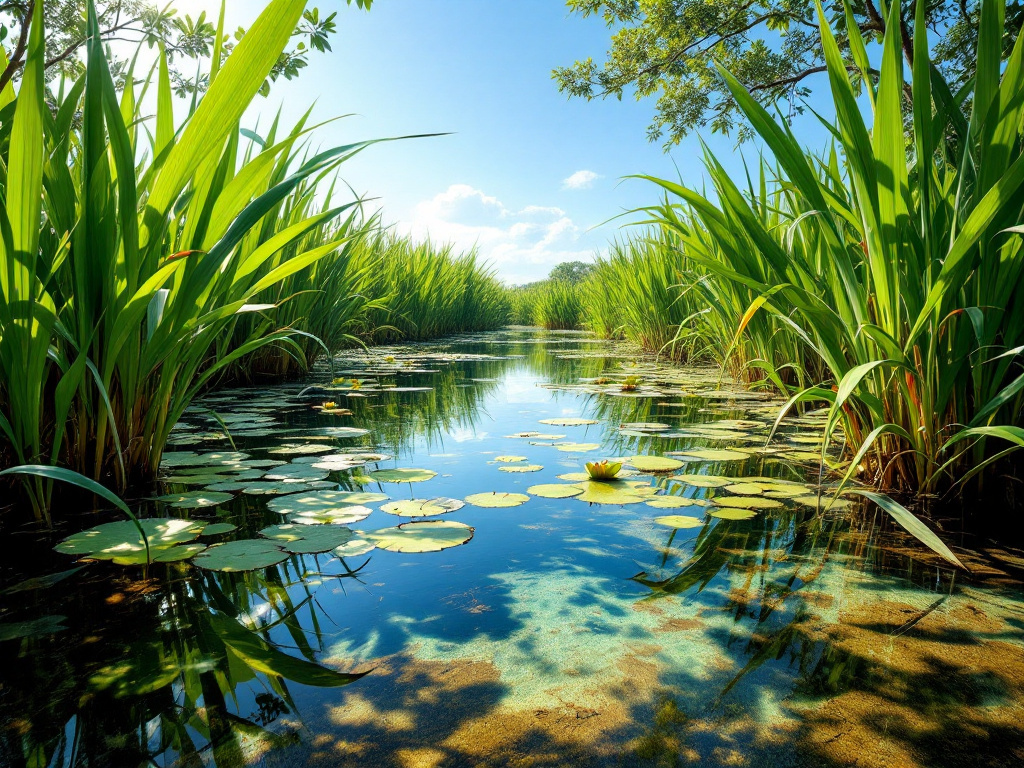
Image generated by flux-ai.io & content generated by ChatGPT Version 4o-mini
Discovering Pinellas’ Aquatic Predators: The Water Scorpions
Living in Pinellas County, we take pride in our beautiful beaches, vibrant ecosystems, and the diversity of wildlife surrounding us. Among the often-overlooked creatures that inhabit our local waters is the water scorpion, a fascinating insect that plays an important role in our aquatic environments.
What Are Water Scorpions?
Despite their name, water scorpions aren’t actual scorpions and don’t sting. They are a type of insect known scientifically as Ranatra and are commonly found in freshwater habitats, like ponds and marshes, as well as brackish waters, which are a mix of fresh and saltwater. This unique insect can often be mistaken for a stick or piece of twig, helping it blend into its surroundings and avoid predators.
One of the most common species in Florida is the southern water scorpion (Ranatra australis). These insects can grow up to 3.5 inches long and are recognizable by their long, slender bodies and two pairs of long legs. Their front legs are particularly adapted for catching prey, making them skilled ambush predators.
How Do They Hunt?
Water scorpions have a unique way of capturing their food. They often lie in wait among the vegetation, using their long forelegs to snatch up unsuspecting prey such as small fish, tadpoles, and other insects like mosquito larvae. Once they grab their prey, they deliver venom using their specialized mouthparts, which helps immobilize their catch.
For residents of Pinellas, this means that water scorpions play a vital role in controlling populations of mosquitoes and other pests that thrive in our warm, wet climate. Keeping populations of these insects in check can lead to a more enjoyable outdoor experience, especially during the summer months when mosquitoes are most active.
Their Life Cycle and Habitat
Water scorpions are active year-round in Florida’s warm climate, although they may slow down during particularly cold snaps. They reproduce in the spring, with females laying eggs on aquatic plants. These eggs have a special structure that allows them to breathe while submerged, ensuring that they can continue their life cycle even in water.
The nymphs, or young water scorpions, look similar to the adults but are smaller and wingless. They undergo several stages of growth, called instars, before maturing into adults. This growth process is essential for their survival, as they improve their hunting skills with each stage.
Why Should We Care?
Understanding the role of water scorpions in our local ecosystems can help us appreciate the complexity of life in our waters. They are not just interesting creatures but are also indicators of ecosystem health. A thriving population of water scorpions suggests a balanced aquatic environment.
Moreover, as Pinellas County continues to face challenges like water pollution and habitat loss, protecting these and other native species becomes increasingly important. By preserving our wetlands and natural water bodies, we can support the diverse wildlife that contributes to our county’s ecological richness.
In conclusion, the next time you visit one of Pinellas County’s beautiful lakes or creeks, take a moment to consider the water scorpions lurking beneath the surface. These remarkable insects are not only essential predators in their ecosystems but also a reminder of the intricate relationships that sustain our local wildlife. By caring for our environment, we ensure that these fascinating creatures—and the benefits they bring—will continue to thrive in our community.
References
EENY-758/IN1308: Water Scorpions, Water Stick-Insects Ranatra spp. (Insecta: Hemiptera: Nepidae). (n.d.). Ask IFAS – Powered by EDIS. https://edis.ifas.ufl.edu/publication/IN1308