
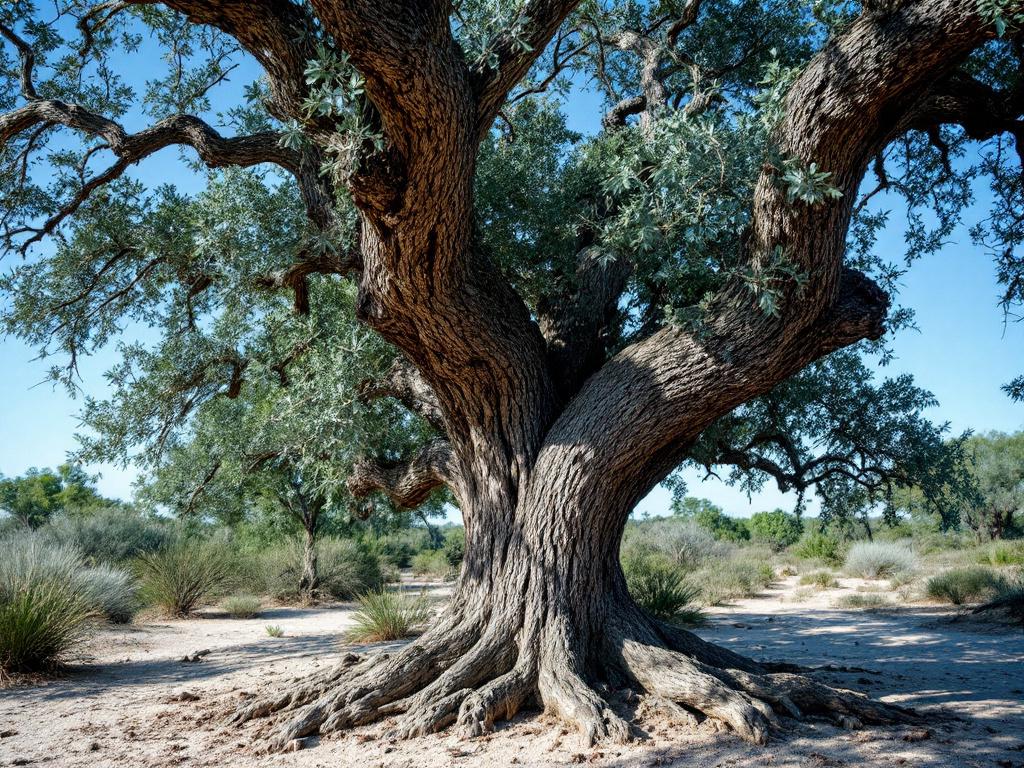
Image generated by flux-ai.io & content generated by ChatGPT Version 4o-mini
Bluejack Oak: A Local Treasure and Wildlife Haven for Hendry County
Hendry County, known for its rich agricultural land and vibrant natural habitats, has an incredible tree that deserves more attention: the Bluejack Oak, scientifically known as Quercus incana. This hardy tree is not only a beautiful addition to our local landscape but also plays a vital role in supporting wildlife.
What Is a Bluejack Oak?
The Bluejack Oak is a deciduous tree, which means it sheds its leaves in the fall. It thrives in sandy soils, making it perfectly suited for the dry, scrubby areas of Florida, including parts of Hendry County. When fully grown, it can reach up to 55 feet tall, although it’s often found to be smaller and can be shaped to fit tighter spaces—ideal for residential yards. Its bluish-green leaves and dark, furrowed bark add a distinctive look to the local flora.
Why Should You Care?
Residents of Hendry County can benefit from planting Bluejack Oaks in several ways:
-
Wildlife Support: The acorns produced by Bluejack Oaks are a favorite food source for many animals, including squirrels, deer, and wild turkeys. By planting these trees in your yard or nearby areas, you can create a mini-ecosystem that attracts local wildlife. Imagine watching squirrels scamper about or hearing the calls of birds as they feast on acorns in your backyard!
-
Water Conservation: Bluejack Oaks are drought-tolerant, which means they can thrive with less water compared to other trees. This makes them a smart choice for homeowners looking to conserve water, especially during the hotter months when water restrictions might be in place.
-
Low Maintenance: Unlike some other oak species that can spread aggressively through underground roots, Bluejack Oaks won’t take over your garden. They are easy to care for, making them a great option for busy families or those new to gardening.
-
Allergy Considerations: While oaks are known for producing pollen, which can trigger allergies, Bluejack Oaks are less allergenic than some of their larger cousins. If you have family members who suffer from seasonal allergies, these might be a suitable choice for your yard.
A Nod to Our History
The name “Bluejack” originates from the bluish color of its leaves, while the species name incana refers to the grayish hue that comes with age. This tree has been part of Florida’s landscape for centuries, providing shade and food long before Hendry County was established. By planting a Bluejack Oak, you are not only contributing to the environment but also celebrating a piece of our local heritage.
How to Get Involved
If you’re interested in planting a Bluejack Oak or want to learn more about native plants, the Hendry County Extension Office is a fantastic resource. They offer programs on gardening, wildlife conservation, and sustainable practices that can help you make informed choices for your property.
Conclusion
The Bluejack Oak is more than just a tree; it’s a vital part of our local ecosystem and a wonderful addition to any landscape in Hendry County. Whether you’re looking to enhance your property, support local wildlife, or simply enjoy the beauty of nature, consider planting a Bluejack Oak. It’s a step towards a greener, more vibrant community.
References
FOR 248/FR310: Quercus incana, Bluejack Oak. (n.d.). Ask IFAS – Powered by EDIS. https://edis.ifas.ufl.edu/publication/FR310