
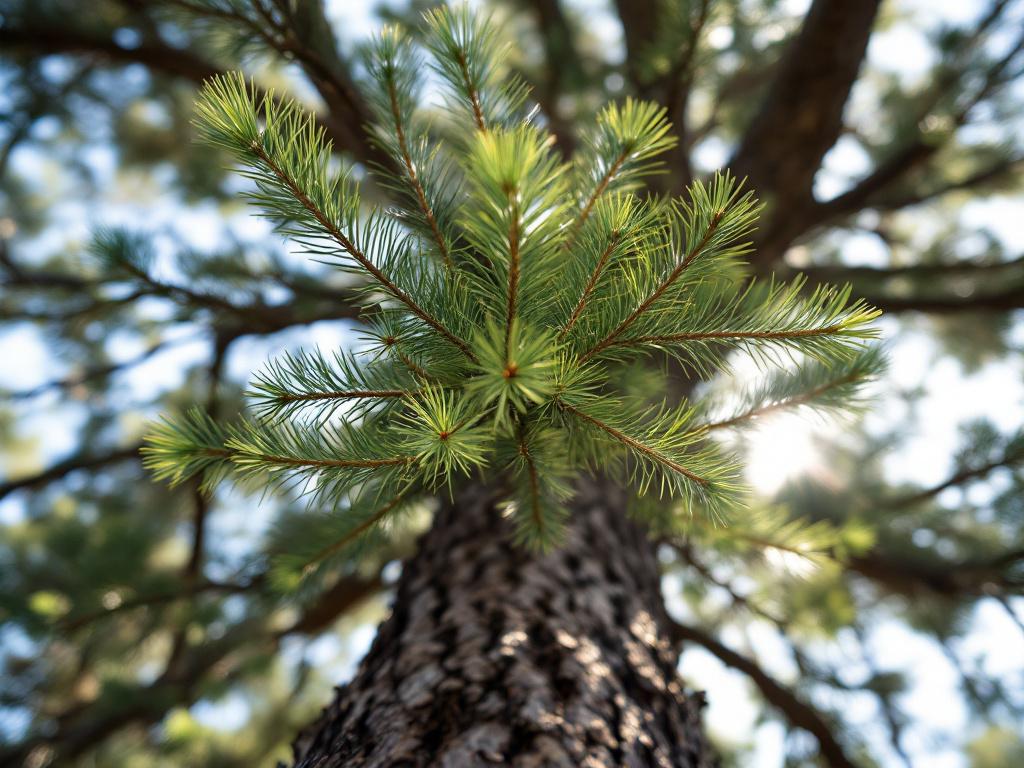
Image generated by flux-ai.io & content generated by ChatGPT Version 4o-mini
Australian-Pine Trees: Why They’re Outlawed and What You Should Know in Hernando County
If you’ve spent time along the coast or in some of our parks here in Hernando County, you might have noticed tall trees that resemble pines. Known as Australian pines (scientific name: Casuarina spp.), these trees were once popular for their ability to withstand harsh coastal conditions and provide windbreaks. However, they are now classified as invasive species and are prohibited in many parts of Florida due to their negative impact on native ecosystems.
What Makes Australian-Pines Problematic?
Australian pines are not true pine trees. They can grow up to 90 feet tall and have long, needle-like branchlets that sway in the wind, creating a soft whistling sound. While they may seem appealing for landscaping due to their rapid growth and drought resistance, they come with significant downsides.
As an invasive species, they spread quickly and dominate areas where native plants grow. In Hernando County, where we value our natural ecosystems, the spread of Australian pines can harm local wildlife and plant life. They create a dense canopy that blocks sunlight from reaching the ground, inhibiting the growth of native plants.
The Environmental Impact
Invasive species like Australian pines outcompete native flora, disrupting local ecosystems. This is particularly concerning in areas like Hernando, which support a rich variety of plants and animals. The loss of native habitats can lead to declines in local wildlife populations, impacting everything from birds to essential pollinators like bees and butterflies.
Additionally, Australian pines can pose hazards for property owners. As they age, these trees can become unstable and are prone to dropping large branches or even falling over—especially during storms. This creates risks not only for people but also for homes, vehicles, and power lines.
Local Solutions and Alternatives
So, what can Hernando County residents do? Understanding the issues with Australian pines is an important first step. If you’re considering landscaping your yard or planting trees, it’s best to choose native species that support local wildlife and require less maintenance. Native trees are better adapted to our climate and help maintain the balance of our ecosystems.
The Hernando County Extension Office is an excellent resource for information on native plants. They can provide guidance on which trees and plants will thrive in your yard without causing harm to our local environment. For landscaping projects, consider native options like live oaks or southern magnolias, which are more beneficial for local wildlife and help preserve the natural landscape.
Conclusion
While Australian pines may have been a popular choice for their aesthetic appeal and rapid growth, their invasive nature poses significant concerns for our community. By choosing native plants for landscaping, residents of Hernando County can play a vital role in preserving our local environment and supporting biodiversity. If you’re unsure about which plants to choose, reach out to local experts at the Hernando County Extension Office—they’re ready to help you make the best choices for your yard and the health of our community.
References
ENH288/ST129: Casuarina spp.: Australian-Pine. (n.d.). Ask IFAS – Powered by EDIS. https://edis.ifas.ufl.edu/publication/ST129