
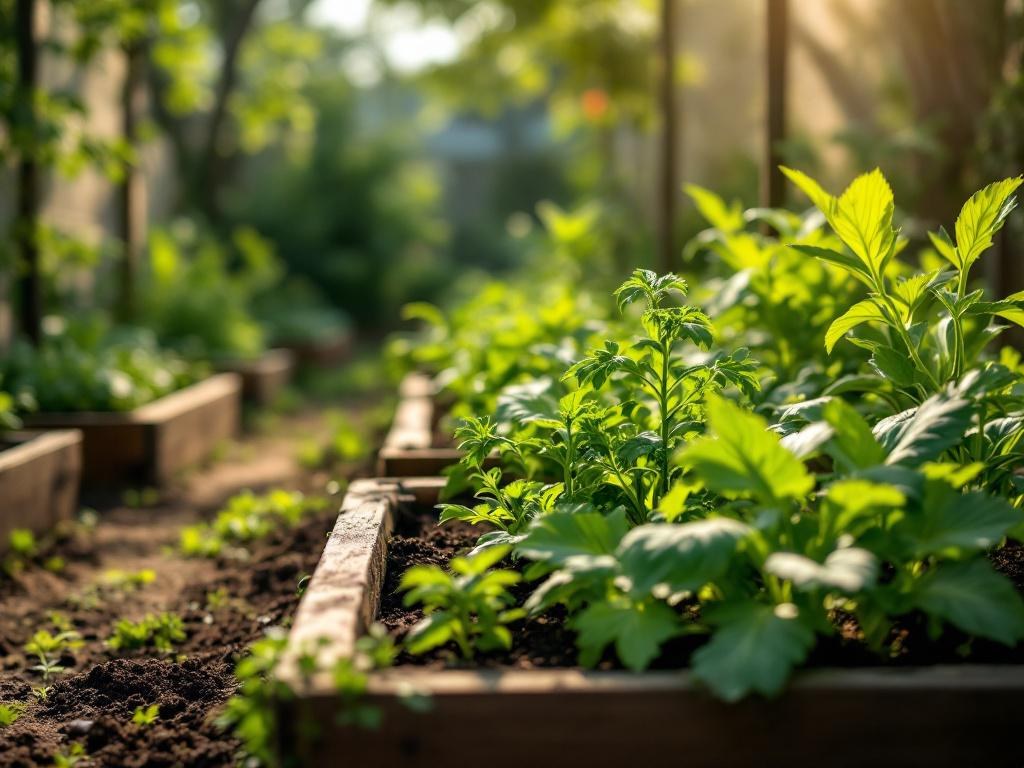
Image generated by flux-ai.io; content generated by ChatGPT 4o-mini.
Urban Farming: A Growing Trend in Pasco County
As Pasco County continues to evolve, so does the way we think about farming. Traditionally, agriculture meant vast fields and large-scale operations, but a new wave of farming is emerging—right in our urban backyards. Urban farming, or Commercial Urban Agriculture (CUA), is gaining traction across Florida, and recent findings might make you reconsider how food is grown in your community.
CUA involves growing and selling food within cities and suburbs. Unlike traditional farms that spread over hundreds of acres, many urban farms operate on much smaller scales. According to a study, nearly 40% of CUA operations in Florida work with just one acre or less. For context, that’s about the size of a football field or smaller.
So, why does this matter to us here in Pasco County? As our population grows, with a 20.9% increase from 2010 to 2020, the demand for local, fresh produce also rises. Urban farms can help meet this demand, providing fresh vegetables, fruits, and herbs right where people live. This not only supports local economies but also reduces the environmental impact of transporting food over long distances.
Urban farming also offers unique opportunities for community engagement and education. Many of these farms host tours and workshops—collectively known as agritourism. Imagine bringing your family to a local farm on the weekend, picking your own vegetables, and learning about sustainable farming practices. This educational aspect of urban farming can spark an interest in agriculture and sustainability among younger residents.
However, urban farmers face several challenges. The study found that labor shortages and difficulties accessing capital (money needed to start or grow a business) are significant barriers. Finding workers who can handle the varied tasks on a small farm isn’t easy, especially when other industries offer higher wages. Additionally, securing loans can be tough for small-scale farmers, which can limit their ability to expand.
Zoning laws and land-use regulations present another hurdle. As urban areas develop, land that was once used for farming might be rezoned for residential use, making it harder for farmers to find affordable land. One farmer described this as a “constant uphill battle.”
But there are bright spots. Many urban farmers see potential in diversifying their offerings. By creating value-added products like jams, sauces, or soaps, they can use their limited space more effectively. Plus, the rise of online shopping and home delivery services presents new avenues for reaching customers.
For Pasco County residents, supporting urban farms can be as simple as visiting a local farmers market or choosing local products when shopping. By doing so, you’re not only getting fresh, nutritious food but also helping to sustain an important part of our local economy.
Overall, urban farming represents an exciting shift in how we think about agriculture. As Pasco County continues to grow, urban farms could play a vital role in providing fresh food, educational opportunities, and economic growth. Keep an eye out for these urban oases—they might be closer than you think!
Supporting local vegetable systems not only enhances community health and engagement but also contributes to local economic stability, creating jobs and fostering a sense of connection among residents and producers. The more we support these initiatives, the more resilient our local food systems become, benefitting everyone involved.
References
- FCS3383/FY1522: Characteristics of Commercial Urban Agriculture in Florida. (n.d.). Ask IFAS – Powered by EDIS. https://edis.ifas.ufl.edu/publication/FY1522