
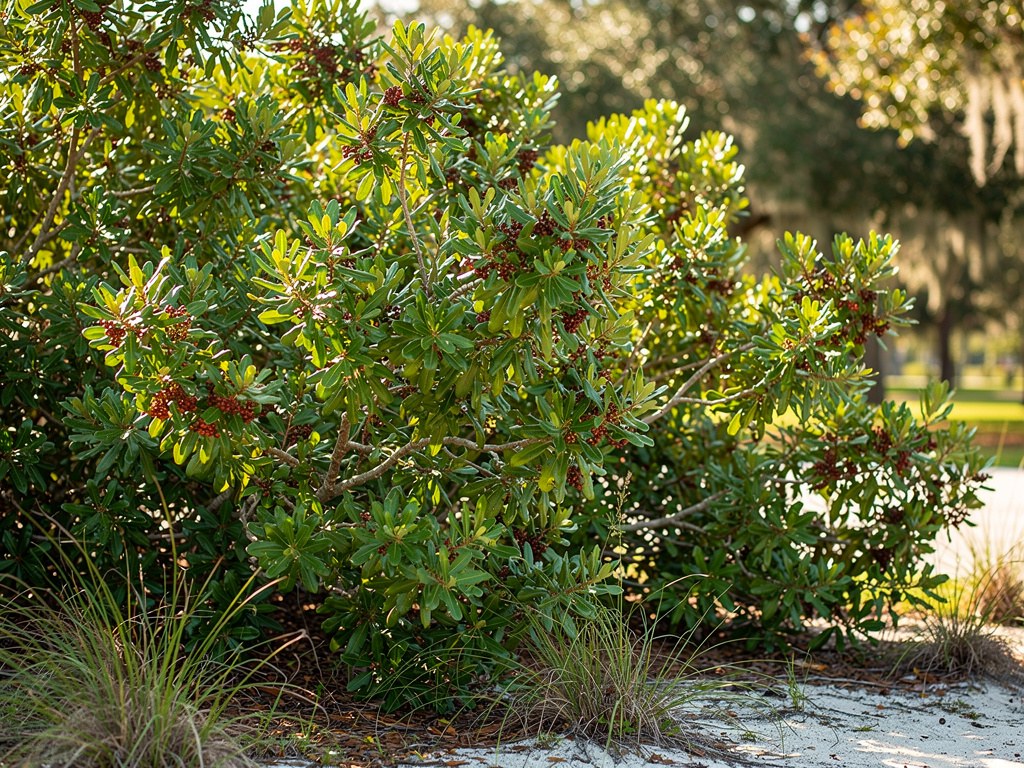
Image generated by flux-ai.io; content generated by ChatGPT 4o-mini.
The Sneaky Spread of Invasive Species in Brevard County
Brevard County, with its stunning coastline and unique ecosystems, is a beloved home for many Floridians. However, lurking beneath the beauty of our natural landscapes is a challenge that affects not just Brevard but all of Florida: invasive species. A recent study sheds light on how nonnative species become invaders and why this matters to our community.
Understanding the Process
The research highlights five key stages of biological invasion: transport, introduction, establishment, spread, and negative impacts. This process explains how nonnative species move from being harmless newcomers to harmful invaders.
-
Transport: Species are brought into new areas, often inadvertently. Brevard’s proximity to numerous ports means that ships and planes constantly bring in goods—and sometimes sneaky stowaways like insects or plants. Approximately 85% of all nonnative plant species enter the United States through one of Florida’s 30 ports of entry.
-
Introduction: Once here, these species find their way into our ecosystems. This can be intentional, like when people release pets into the wild, or accidental, such as when seeds hitch a ride on hiking boots.
-
Establishment: If conditions are right, these species start to thrive. Florida’s warm climate is particularly inviting, facilitating the establishment of many nonnative species.
-
Spread: Successful nonnative species can then spread quickly. In Brevard, this might mean a plant overtaking a local park or an animal disrupting the balance of our waterways. Some introduced species become invasive, leading to high management costs and significant impacts on local ecosystems.
-
Negative Impacts: Finally, these invaders can cause serious problems. They might harm local wildlife, hurt the economy, or even pose health risks to humans. For example, the Brazilian peppertree can crowd out native plants, while feral hogs damage crops and spread disease.
Local Examples and Concerns
Brevard’s rich biodiversity means we have a lot to lose. Invasive species like the Brazilian peppertree and feral hogs have been known to disrupt local habitats. The Brazilian peppertree, for instance, can significantly reduce native plant diversity. Moreover, invasive insects and plants can have substantial economic impacts. Citrus greening, a disease spread by an invasive insect, has devastated Florida’s citrus industry, costing farmers billions. With agriculture playing a key role in Brevard’s economy, the spread of similar threats could be disastrous.
What Can We Do?
Fortunately, there are steps we can take to protect our community. By being mindful of the plants we choose for our gardens and the pets we keep, we can prevent new invasions. Simple actions like cleaning boats and hiking gear can also stop the unintentional spread of invasive species. Programs like the Florida Fish and Wildlife Conservation Commission’s Exotic Pet Amnesty provide options for those who can no longer care for nonnative pets, reducing the risk of them being released into the wild.
Final Thoughts
While the challenge of invasive species is significant, Brevard County residents have the power to make a difference. By staying informed and taking small, proactive steps, we can help preserve the natural beauty and economic vitality of our beloved home. Remember, every action counts in keeping Brevard’s ecosystems healthy and thriving. For more information on managing invasive species and protecting native habitats, visit the UF/IFAS Assessment team’s resources at http://assessment.ifas.ufl.edu.