
Image generated by flux-ai.io; content generated by ChatGPT 4o-mini.
Urban Farming: A Growing Opportunity for Hendry County
In recent years, as Florida becomes more urbanized, a new kind of farming is sprouting up in unexpected places: commercial urban agriculture, or CUA. This trend is reshaping the agricultural landscape, even in rural communities like Hendry County.
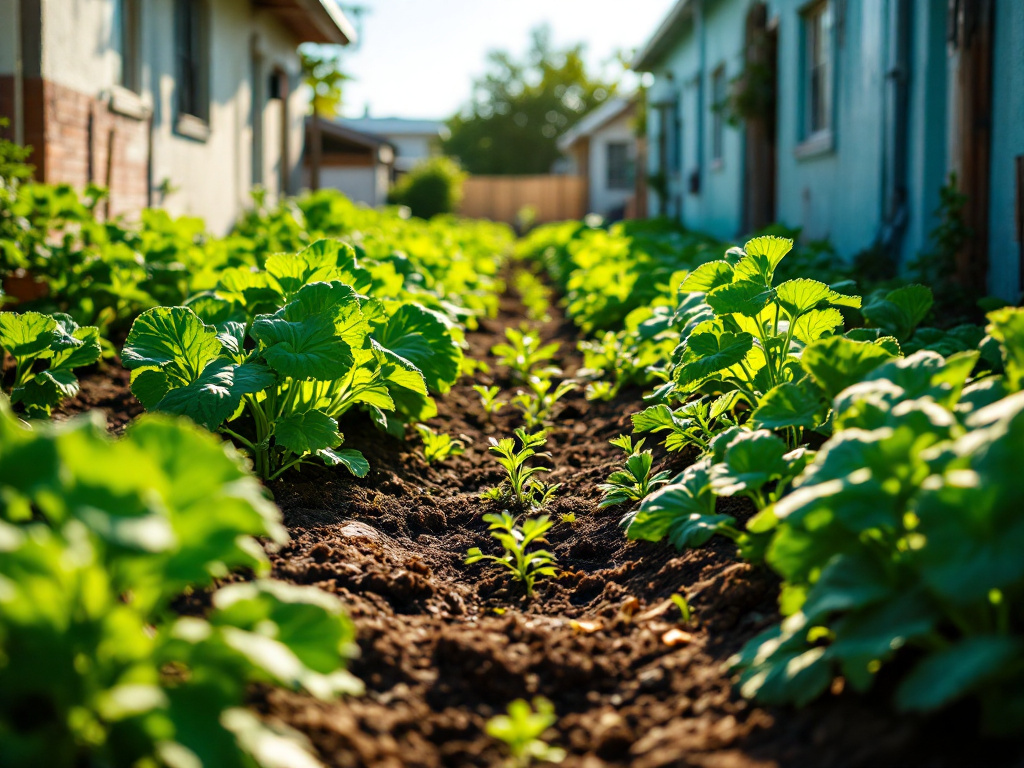
CUA is about growing, selling, and distributing food right in or near cities. Imagine a farm not out in vast fields but tucked into a vacant lot or a small patch of land between buildings. This type of farming is gaining attention because it offers fresh produce close to where people live, reducing the miles food travels and often making it fresher when it reaches your table.
In Florida, a study by UF/IFAS researchers found that such urban farms are on the rise due to the state’s rapid growth. While Hendry County is not classified as urban, understanding this trend is crucial as urban expansion can affect local agriculture.
Urban farms often face different challenges compared to traditional farms. For example, they struggle with accessing land due to high prices and zoning laws that prioritize residential development. Think about it: a plot of land that once grew crops might now be more valuable for a new housing development. This can make it tough for farmers to find and afford space to grow their produce.
Another hurdle is labor. Many urban farms need workers who can handle varied tasks, from planting to selling at markets. However, they often compete with other industries offering higher wages. A local farmer might say, “It’s like trying to find someone who can drive a tractor and also be a great salesperson.”
Despite these challenges, there are promising opportunities for urban farms. Agritourism—where farms offer tours or events—stands out as a bright spot. Imagine visiting a nearby farm for a weekend event, learning about how your food is grown, and even picking some fresh produce yourself. This can bring in additional income for farmers without needing to grow new crops.
Urban farms are also exploring value-added products, which means taking raw farm products and turning them into something more profitable, like homemade jams or pickles. This approach not only boosts income but also makes the most of limited space.
For Hendry County residents, these developments could mean fresher, locally-grown produce becoming more available even if they live further from urban centers. Moreover, as urban farming grows, it might inspire local farmers to adopt similar strategies or diversify their operations.
The county’s Extension Office can play a crucial role in this transition by offering educational programs and resources to help farmers navigate these changes. Learning about new crops, marketing strategies, and sustainable practices can empower local farmers to thrive in this evolving landscape.
In conclusion, while urban farming might seem far from Hendry’s fields of sugarcane, the principles and innovations it brings could very well shape the future of agriculture in our community. By supporting these efforts and staying informed, residents can ensure that farming remains a vital part of Hendry County’s identity, even in a changing world.