
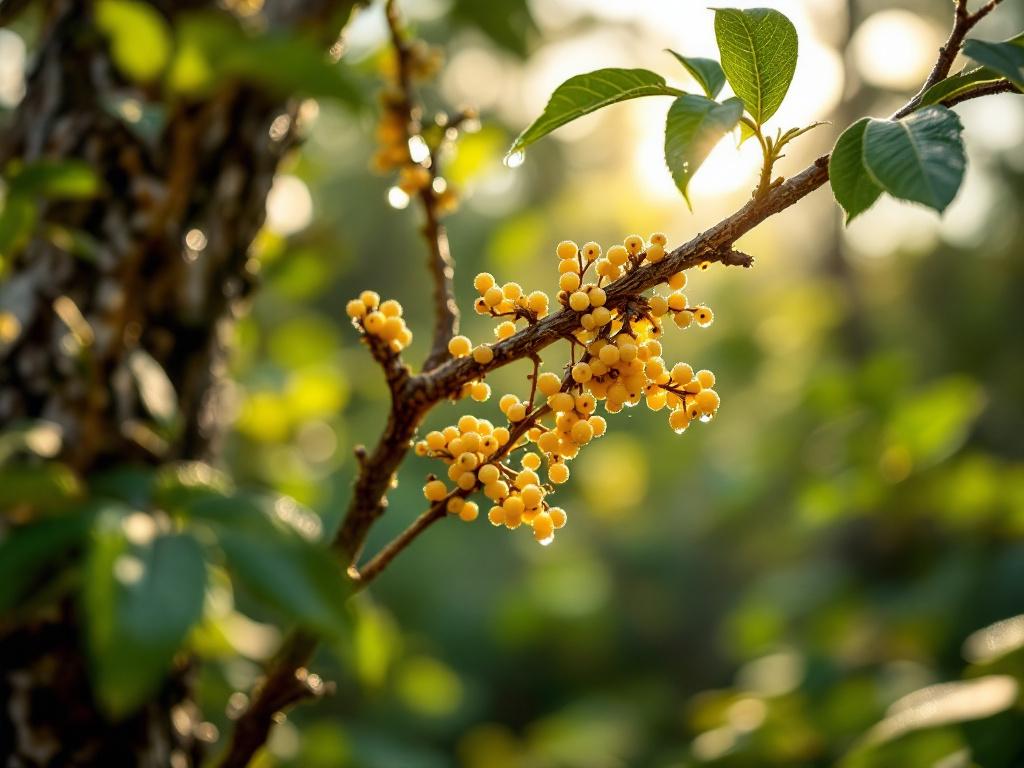
Image generated by flux-ai.io & content generated by ChatGPT Version 4o-mini
Tiny Invaders: What Suwannee Residents Need to Know About the Cypress Twig Gall Midge
Residents of Suwannee County, Florida, may have noticed their beautiful bald cypress and pond cypress trees looking a little worse for wear recently. An uninvited guest, the cypress twig gall midge (Taxodiomyia cupressiananassa), is making its mark on these beloved trees. Let’s break down what this means for your backyard and the environment.
What is the Cypress Twig Gall Midge?
The cypress twig gall midge is a tiny fly, measuring only about the size of a grain of rice. This little insect lays its eggs on the new leaves of cypress trees. When the eggs hatch, the larvae start feeding on the tree’s tissues, causing the formation of galls—swellings that can look like small pineapples on the branches. While these galls can be unsightly, they generally do not harm the overall health of the tree.
In Suwannee County, where cypress trees are commonly planted for their beauty and ecological value, the presence of these galls can be concerning. The galls can weigh down branches, making them droop and detracting from the tree’s natural aesthetic.
Life Cycle of the Midge
Understanding the life cycle of the midge can help residents manage this pest. The midge has a unique life cycle: it can produce two generations in a growing season in warmer areas like northern Florida. The adult flies emerge in mid-May, mate, and start laying eggs on the cypress leaves shortly after. By late fall, as temperatures drop, the larvae drop to the ground with fallen galls, where they overwinter until spring.
Local Impact
For Suwannee County, which boasts a large agricultural economy and a love for nature, these midges could impact not only the appearance of ornamental cypress trees but also the local ecosystem. While they don’t typically harm the tree’s health, an abundance of galls can affect the tree’s overall growth and vigor.
Cypress trees play an essential role in local habitats, providing homes for various wildlife and helping to maintain water quality. Therefore, keeping these trees healthy is crucial for both the environment and the community’s quality of life.
Management Strategies
So, what can residents do about the cypress twig gall midge? The good news is that there are effective management strategies. One of the best practices is to collect and dispose of fallen galls in the autumn or early spring before the midge emerges. This simple action can significantly reduce the number of new galls that appear in the following season.
Instead of using insecticides, which can harm beneficial insects that help control midge populations naturally, residents can foster a healthy ecosystem with native plants to encourage these natural predators. Tolerating some insect damage can be part of maintaining a balanced ecosystem, as beneficial insects often thrive in environments with a mix of pests.
Conclusion
Suwannee County is a place where nature thrives, and understanding the challenges posed by pests like the cypress twig gall midge is vital for maintaining our local flora. By being proactive in managing these tiny invaders, residents can help preserve the beauty and health of their cypress trees for generations to come.
Let’s keep our community’s landscape vibrant and healthy—one gall at a time!
References
EENY 430/IN806: Cypress Twig Gall Midge, Taxodiomyia cupressiananassa (Osten Sacken) (Insecta: Diptera: Cecidomyiidae). (n.d.). Ask IFAS – Powered by EDIS. https://edis.ifas.ufl.edu/publication/IN806