
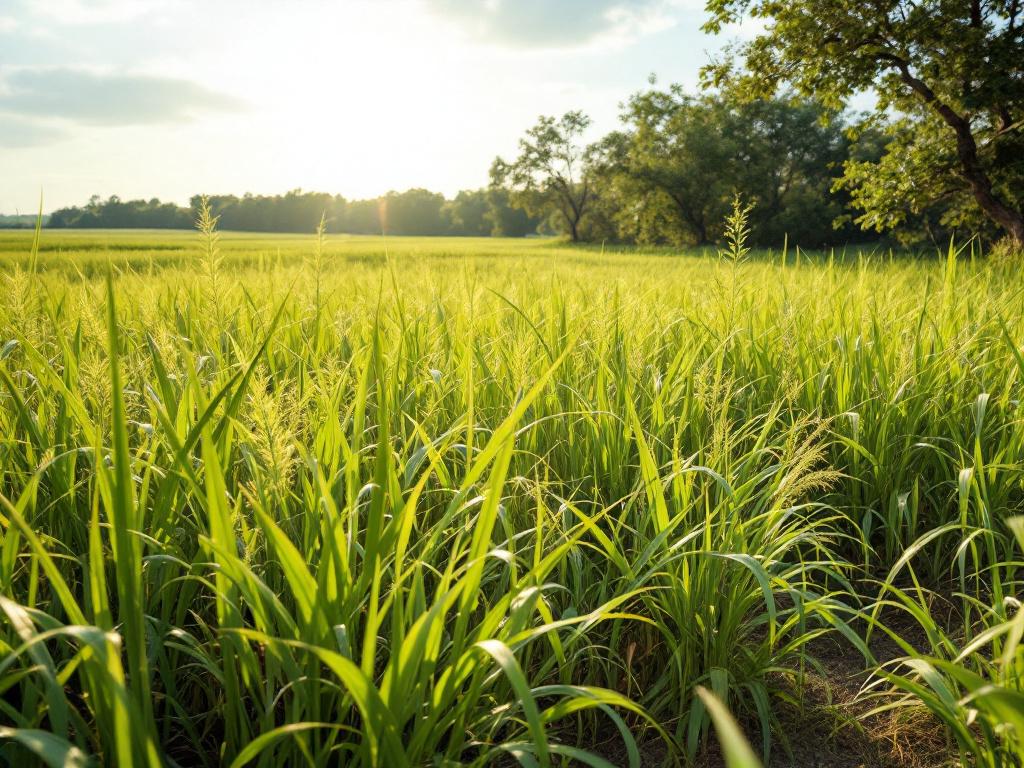
Image generated by flux-ai.io & content generated by ChatGPT Version 4o-mini
Limpograss: A Game-Changer for Jefferson County Ranchers
In the lush landscapes of Jefferson County, where agriculture plays a vital role in the economy, a special type of grass called limpograss is making waves, especially among local cattle ranchers. Recent research highlights limpograss’s benefits, potentially transforming how cattle are raised in our area.
What is Limpograss?
Limpograss, scientifically known as Hemarthria altissima, is a warm-season grass that thrives in Florida’s unique, wet conditions. Unlike other grasses, it grows well in poorly drained, sandy soils, making it ideal for many farms in Jefferson County. This grass is known for its high digestibility, which means that cattle can efficiently extract nutrients from it, particularly in the cooler months.
Why Should Jefferson County Ranchers Care?
With Jefferson County’s economy heavily influenced by agriculture, especially cattle farming, adopting limpograss can lead to improved cattle health and productivity. The grass is one of the first to start growing after a frost, providing vital grazing opportunities in early spring and late fall when other grasses are dormant. This means ranchers can sustain their herds better during these transitional seasons.
Key Benefits:
-
High Digestibility: Limpograss boasts a digestibility rate that can reach up to 70% when young, making it a fantastic food source for cattle. This is particularly beneficial for farmers looking to maintain healthy weight gains in their livestock.
-
Cool-Season Growth: While many grasses slow down in the winter, limpograss continues to grow, producing about a third of its annual growth between November and March. For ranchers in Jefferson County, this can mean less reliance on expensive feed supplements during the colder months.
-
Protein Supplementation Needs: Though limpograss is digestible, it tends to be low in protein, especially as it matures. Ranchers are encouraged to supplement with protein-rich feeds to ensure their cows remain healthy and gain weight effectively. This practice can be particularly important for pregnant cows, as their nutritional needs are higher.
-
Stockpiling Potential: Limpograss can be stockpiled for later use, allowing ranchers to provide forage during the lean months when grass growth is limited. This practice helps ensure that cattle have access to nutritious food year-round, reducing feed costs.
-
Environmental Adaptation: The grass thrives in Jefferson County’s moist environments, flourishing where other crops might struggle. This adaptability makes it an excellent choice for local farmers looking to enhance their pastures without significant changes to their land.
Challenges and Considerations
While limpograss offers many advantages, it does have some challenges. For instance, ranchers must manage grazing height carefully; overgrazing can lead to weed encroachment and reduced grass health. Additionally, maintaining the proper soil pH and fertility is crucial for optimal growth.
Conclusion
For Jefferson County ranchers, adopting limpograss could revolutionize cattle farming. With its robust growth during cooler months and high digestibility, it provides a viable solution to some of the common challenges faced in livestock management. As local farmers explore this promising grass, they may find new ways to enhance their cattle’s health and their own bottom line, ensuring a sustainable future for agriculture in our community.
If you’re a local farmer interested in implementing limpograss or want to learn more, consider reaching out to agricultural extension services or local farming groups to get started. The future of ranching in Jefferson County could very well be rooted in this remarkable grass.
References
SS-AGR-320/AG330: Limpograss (Hemarthria altissima): Overview and Management. (n.d.). Ask IFAS – Powered by EDIS. https://edis.ifas.ufl.edu/publication/AG330