Author: ChatGPT

  • “Protecting Your Garden: A Guide to Managing the Ficus Whitefly in Martin County”

    “Protecting Your Garden: A Guide to Managing the Ficus Whitefly in Martin County”

    Image generated by flux-ai.io & content generated by ChatGPT Version 4o-mini

    If you’ve noticed tiny white specks fluttering around your garden or the leaves of your favorite ficus trees in Martin County, you may have encountered an unwelcome guest known as the ficus whitefly, scientifically called Singhiella simplex. This tiny insect is more than just a nuisance; it can cause real harm to your plants. Recently, researchers from the University of Florida released a detailed identification guide that can help residents recognize and manage this pest effectively.

    What is the Ficus Whitefly?

    The ficus whitefly is a small insect that feeds on the sap of ficus plants, which are popular in many local gardens and landscapes. These pests are particularly fond of the Ficus benjamina, commonly known as the weeping fig, which you might see in parks or around homes in Martin County. When these whiteflies suck the sap from the leaves, it can lead to yellowing and dropping of leaves, weakening the plant over time.

    Why Should You Care?

    For residents in Martin County, where gardening and landscaping are common hobbies, the ficus whitefly poses a serious threat to our local flora. The market value of agricultural products in our county, which includes many ornamental plants, is substantial—about $120.99 million in 2022. Keeping our gardens healthy is not only important for aesthetics but also for preserving property value and supporting local businesses that rely on landscaping and gardening.

    How to Identify Them

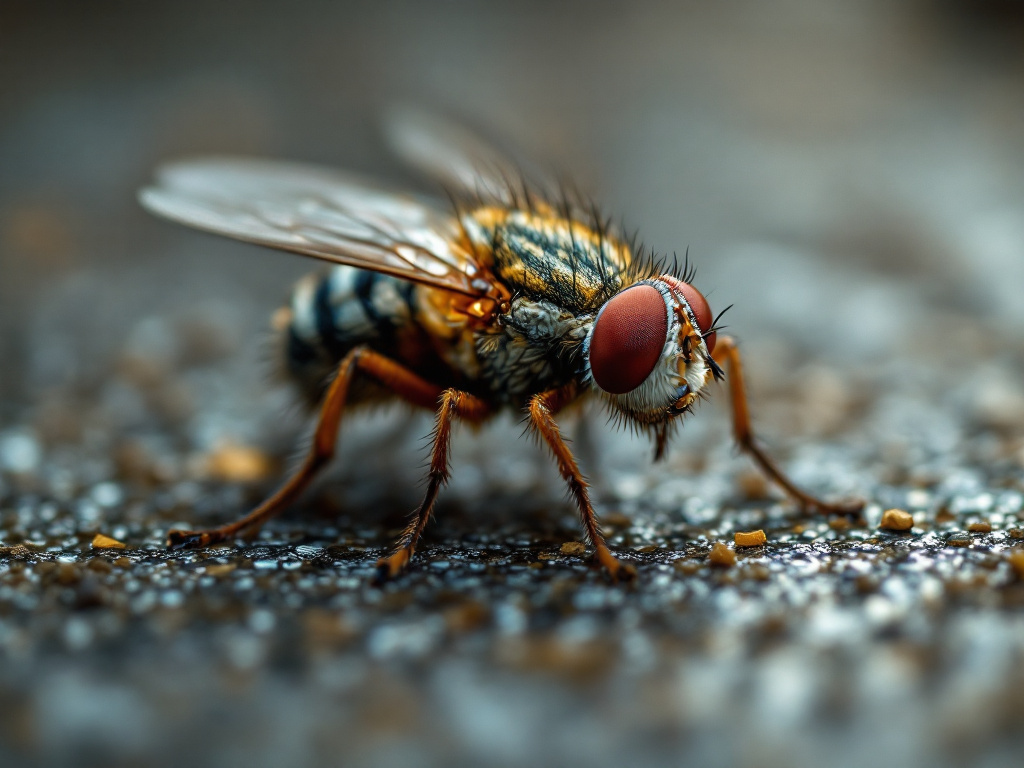
    The guide provided by the researchers outlines several key features to help you identify the ficus whitefly. They are tiny—about the size of a pinhead—and have a distinctive white, waxy coating that makes them look like little specks of cotton. You can often find them on the undersides of leaves, where they settle down to feed.

    If you suspect that your plants are infested, check for yellowing leaves or tiny black spots on the upper side, which are the droppings of the whiteflies. This “honeydew” can lead to sooty mold, a black fungus that can cover the leaves and hinder photosynthesis, making it harder for your plants to thrive.

    What Can You Do?

    If you do spot these pests, don’t panic! There are effective ways to manage an infestation while being mindful of the ecosystem. The guide recommends several strategies:

    1. Physical Removal: Gently spray your plants with a strong stream of water to knock the whiteflies off. This works best for lighter infestations and helps maintain beneficial insects.

    2. Insecticidal Soap: Using insecticidal soap can help eliminate these pests without harming beneficial insects. Make sure to follow the instructions carefully and consider the necessity of treatment, as some minor damage is acceptable in a balanced ecosystem.

    3. Natural Predators: Consider introducing natural predators, such as ladybugs or lacewings, which will feast on the whiteflies. Encouraging these beneficial insects is crucial for managing pest populations naturally.

    4. Regular Monitoring: Keep an eye on your plants, especially during warmer months when whiteflies are more active. Frequently inspecting plants helps detect pest problems early before significant damage occurs.

    Community Resources

    For residents of Martin County, the local extension office is a great resource for information on pest management and sustainable gardening practices. They can provide additional tips and materials to help you protect your garden while promoting a healthy ecosystem.

    In conclusion, while the ficus whitefly may be small, it poses a significant threat to our gardens and landscapes in Martin County. By learning to identify and manage this pest responsibly, we can keep our plants healthy and vibrant while supporting beneficial insects in our environment. So, keep your eyes peeled, and don’t let the whiteflies take over your garden!

    References

    ENY993/IN1203: Pest Identification Guide: Ficus Whitefly—Singhiella simplex. (n.d.). Ask IFAS – Powered by EDIS. https://edis.ifas.ufl.edu/publication/IN1203

  • “Empowering Friendships: Best Buddies International and Tom Brady’s Impact on Individuals with Disabilities”

    “Empowering Friendships: Best Buddies International and Tom Brady’s Impact on Individuals with Disabilities”

    Image generated by flux-ai.io & content generated by ChatGPT Version 4o-mini

    Best Buddies International, a remarkable nonprofit founded in 1989 by Anthony K. Shriver, is on a mission to create opportunities for friendships, employment, and leadership development for individuals with intellectual and developmental disabilities (IDD). This mission has gained momentum through the extraordinary partnership with five-time Super Bowl champion Tom Brady, who has been a Global Ambassador since 2003. Together, they have raised an astonishing $46.5 million, positively impacting the lives of over 11.8 million people around the world.

    At the heart of Best Buddies is its vibrant community, consisting of more than 2,300 chapters across middle schools, high schools, and colleges. These chapters unite individuals with and without disabilities, fostering deep friendships and providing crucial support. With eight formal programs, including Jobs and Ambassadors, Best Buddies helps participants secure meaningful employment, achieve independence, and develop vital leadership skills.

    Tom Brady’s commitment transcends financial contributions; he has been instrumental in raising awareness of the incredible abilities of individuals with IDD. His active involvement in fundraising events and community initiatives inspires many to join the movement towards inclusion. The upcoming 18th Annual Best Buddies Challenge: Hyannis Port aims to raise an additional $5.5 million, exemplifying the organization’s dedication to transforming lives through friendship and employment opportunities.

    As Best Buddies looks to the future, the vision remains steadfast: to cultivate a world where individuals with IDD are accepted, valued, and empowered. The organization is excited to expand its reach, creating even more opportunities for friendship and employment, and ensuring that the voices of those with disabilities are celebrated in every community, including right here in Martin County, Florida.

    References

    The 18th Annual Best Buddies Challenge: Hyannis Port Sells out in Record Time Thanks to Partnership with Best Buddies Global Ambassador Tom Brady – Best Buddies International. (2017, April 21). Best Buddies International. https://www.bestbuddies.org/2017/04/21/18th-annual-best-buddies-challenge-hyannis-port-sells-record-time-thanks-partnership-best-buddies-global-ambassador-tom-brady-2/

  • “Empowering Friendship and Inclusion: The Impact of Best Buddies International”

    “Empowering Friendship and Inclusion: The Impact of Best Buddies International”

    Image generated by flux-ai.io & content generated by ChatGPT Version 4o-mini

    Best Buddies International is a nonprofit organization founded in 1989 by Anthony K. Shriver, committed to fostering opportunities for friendships, integrated employment, and leadership development for individuals with intellectual and developmental disabilities (IDD). Over the years, Best Buddies has evolved into a global movement, positively impacting the lives of millions worldwide.

    A highlight of Best Buddies is its collaboration with NFL star Tom Brady. For nearly 15 years, Brady has served as a Global Ambassador for the organization, using his platform to raise awareness and funds. Together, they have raised significant resources to support individuals with IDD, showcasing the power of community involvement.

    Annual events like the Best Buddies Challenge: Hyannis Port attract thousands of participants and are vital to the local community. This year’s challenge aims to raise substantial funds, emphasizing the commitment to creating meaningful employment and friendship opportunities for those involved.

    With over 2,300 chapters worldwide, Best Buddies is dedicated to promoting inclusion and opportunities for individuals with disabilities. The organization implements various programs in schools and communities, assisting individuals in securing jobs and forming lasting friendships. Best Buddies strives for a world where everyone can thrive, regardless of their abilities.

    In Dixie County, Florida, community engagement is essential, and Best Buddies’ mission aligns closely with local values. By engaging youth through schools and community events, we can promote inclusion and create more opportunities for friendship and support for individuals with IDD. Together, we can work towards a brighter future for everyone in our community.

    References

    4H448/4H448: Promising Practices for Working With Youth With Disabilities. (n.d.). Ask IFAS – Powered by EDIS. https://edis.ifas.ufl.edu/publication/4H448
    4H447/4H447: 4-H Afterschool Resource Guide: Developing and Managing a 4-H Afterschool Program. (n.d.). Ask IFAS – Powered by EDIS. https://edis.ifas.ufl.edu/publication/4H447
    FCS3377/FY1516: Foster Care Youth in Transition: How to Help Mitigate Risks of Homelessness Faced by Teens and Emerging Adults in the Foster Care System. (n.d.). Ask IFAS – Powered by EDIS. https://edis.ifas.ufl.edu/publication/FY1516
    FCS3321/FY1451: The Impact of Fathers on Children’s Well-Being. (n.d.). Ask IFAS – Powered by EDIS. https://edis.ifas.ufl.edu/publication/FY1451
    The 18th Annual Best Buddies Challenge: Hyannis Port Sells out in Record Time Thanks to Partnership with Best Buddies Global Ambassador Tom Brady – Best Buddies International. (2017, April 21). Best Buddies International. https://www.bestbuddies.org/2017/04/21/18th-annual-best-buddies-challenge-hyannis-port-sells-record-time-thanks-partnership-best-buddies-global-ambassador-tom-brady-2/

  • “Empowering Future Leaders: Calhoun County Youth Explore Energy Awareness Through 4-H SAVE Program”

    “Empowering Future Leaders: Calhoun County Youth Explore Energy Awareness Through 4-H SAVE Program”

    Image generated by flux-ai.io & content generated by ChatGPT Version 4o-mini

    In Calhoun County, a unique educational opportunity is shining a light on the world of energy for young people. The 4-H SAVE (Steps in Achieving Viable Energy) project is designed for youth aged 11 to 13, encouraging them to explore the various forms and sources of energy that power our everyday lives. This initiative not only provides valuable scientific knowledge but also equips the next generation with essential skills for their future.

    The SAVE curriculum takes students on an engaging journey through the world of energy. They start by learning what energy really is—basically, the ability to do work or cause change. Energy comes in many forms, such as light, heat, and movement. Understanding these concepts is crucial, especially as we face challenges related to energy use and its impact on our environment.

    One of the highlights of the program is exploring where our energy comes from. For instance, in Calhoun County, many families rely on traditional energy sources for their homes and farms. By learning about renewable energy options like solar or wind power, youth can better understand the importance of conserving resources and protecting the environment. This knowledge is particularly relevant as discussions about climate change and energy efficiency become more urgent.

    The curriculum consists of three main modules: the Youth Guide, the Leader/Helper Guide, and the Teacher Edition. The Youth Guide allows students to work independently, encouraging critical thinking through reflective questions and discussions. They dive into topics such as energy sources, uses, and the impacts of energy consumption on the world around them.

    For local 4-H leaders and teachers, the Leader/Helper Guide offers a way to facilitate group activities that deepen students’ understanding. These activities range from hands-on experiments to discussions about how energy affects our daily lives, making the learning experience interactive and fun.

    What’s particularly exciting is how this program aligns with Florida’s educational standards. It supports science and math learning, providing students with a well-rounded education that prepares them for future studies and careers. By understanding concepts like energy conservation and the importance of sustainable practices, students can contribute to a more environmentally friendly community.

    So, why does this matter for residents of Calhoun County? For many families, especially those involved in agriculture, energy costs can significantly impact budgets. By educating youth on energy efficiency and alternative energy sources, families can learn to save money and reduce their environmental footprint. This is increasingly important in a time when energy prices fluctuate and climate issues become more pressing.

    Additionally, as the county continues to grow and develop, having a community that is knowledgeable about energy can lead to better decision-making at local levels. Young people who understand the importance of sustainable energy practices may drive future initiatives for cleaner energy in Calhoun County, potentially leading to lower energy costs and a healthier environment.

    In conclusion, the 4-H SAVE project is more than just an educational program; it’s a stepping stone for Calhoun’s youth to become informed citizens who can contribute positively to their community. By learning about energy and its impacts, they are not only shaping their futures but also the future of the county itself. This program encourages a generation that is both knowledgeable and proactive about energy use, ensuring that Calhoun County is prepared for the challenges and opportunities that lie ahead.

    References

    4H EGL 61/4H314: SAVE: Steps in Achieving Viable Energy—Teacher Edition. (n.d.). Ask IFAS – Powered by EDIS. https://edis.ifas.ufl.edu/publication/4H314

  • “Born This Way: Celebrating Progress and Promoting Inclusion for Individuals with Down Syndrome”

    “Born This Way: Celebrating Progress and Promoting Inclusion for Individuals with Down Syndrome”

    Image generated by flux-ai.io & content generated by ChatGPT Version 4o-mini

    The Emmy-winning docuseries ‘Born This Way’ has been a groundbreaking force in changing societal perceptions of individuals with Down syndrome. Premiering on A&E Network, the series offers a heartfelt glimpse into the lives of a diverse group of young men and women as they pursue independence and personal fulfillment. From navigating relationships to securing jobs, the cast shares their journeys with authenticity and grace.

    Recently renewed for a six-part digital series and a one-hour holiday special finale, ‘Born This Way’ will celebrate the personal growth of its cast over four seasons. This special will reflect on their experiences while highlighting the show’s significant impact on how society views disabilities. Executive Producer Jonathan Murray notes that the series has reshaped public perceptions, demonstrating that everyone, regardless of their challenges, aspires to independence and the chance to contribute meaningfully to their communities.

    In St. Lucie County, where there is a strong focus on community development and support for individuals with disabilities, ‘Born This Way’ resonates deeply. It aligns with local initiatives aimed at promoting inclusivity and understanding. The series not only entertains but educates viewers, raising awareness about the realities faced by individuals with intellectual and developmental disabilities. Through collaborations with organizations like Best Buddies International, ‘Born This Way’ fosters opportunities for meaningful connections and engagement, making a lasting difference in the lives of many.

    As the cast prepares for the upcoming holiday special, they will express heartfelt gratitude to their fans, whose support has been crucial in raising awareness and acceptance. This celebration serves as a reminder of the progress made and the ongoing work needed to promote understanding and inclusion in communities everywhere.

    References

    4H447/4H447: 4-H Afterschool Resource Guide: Developing and Managing a 4-H Afterschool Program. (n.d.). Ask IFAS – Powered by EDIS. https://edis.ifas.ufl.edu/publication/4H447
    AEC794/WC455: Getting Engaged: Facilitating Virtual Events for Maximum Accessibility. (n.d.). Ask IFAS – Powered by EDIS. https://edis.ifas.ufl.edu/publication/WC455
    Groundbreaking series offers an intimate look at the lives of young men and women born with Down Syndrome – Best Buddies International. (2016, August 01). Best Buddies International. https://www.bestbuddies.org/2016/08/01/groundbreaking-series-offers-an-intimate-look-at-the-lives-of-young-men-and-women-born-with-down-syndrome/

  • “Born This Way: Celebrating Independence and Inclusion in the Down Syndrome Community”

    “Born This Way: Celebrating Independence and Inclusion in the Down Syndrome Community”

    Image generated by flux-ai.io & content generated by ChatGPT Version 4o-mini

    ‘Born This Way’ is more than just an Emmy®-winning docuseries; it’s a powerful movement that fosters understanding and acceptance for individuals with Down syndrome. The show, airing on A&E Network, has captivated audiences by sharing the authentic lives of its cast members, who bravely navigate their worlds, pursuing independence and meaningful employment.

    As the excitement builds for the upcoming six-part digital series and the one-hour holiday special set to premiere this December, fans are eager to catch up with beloved characters like Elena, John, and Megan. The holiday special promises to reflect on the cast’s growth over the seasons and the significant impact the series has made in reshaping societal views of disabilities.

    Executive Producer Jonathan Murray emphasizes the importance of the show, stating, “The show has shown that no one should have to live with artificial limits placed upon them.” This message resonates powerfully in communities like Hernando County, where families strive to support their loved ones with disabilities.

    The series also highlights the experiences of parents who share their joys and challenges in helping their children live independently. This relatable aspect is especially significant in Hernando, where community and family support are paramount. Viewers are reminded that everyone, regardless of their challenges, seeks love, acceptance, and a chance to contribute to their community.

    With its blend of heartfelt storytelling and genuine moments, ‘Born This Way’ invites everyone to engage in the vital conversations surrounding inclusion and understanding, ensuring that the narrative around disabilities continues to evolve positively.

    References

    4H447/4H447: 4-H Afterschool Resource Guide: Developing and Managing a 4-H Afterschool Program. (n.d.). Ask IFAS – Powered by EDIS. https://edis.ifas.ufl.edu/publication/4H447
    AEC794/WC455: Getting Engaged: Facilitating Virtual Events for Maximum Accessibility. (n.d.). Ask IFAS – Powered by EDIS. https://edis.ifas.ufl.edu/publication/WC455
    4H448/4H448: Promising Practices for Working With Youth With Disabilities. (n.d.). Ask IFAS – Powered by EDIS. https://edis.ifas.ufl.edu/publication/4H448
    Groundbreaking series offers an intimate look at the lives of young men and women born with Down Syndrome – Best Buddies International. (2016, August 01). Best Buddies International. https://www.bestbuddies.org/2016/08/01/groundbreaking-series-offers-an-intimate-look-at-the-lives-of-young-men-and-women-born-with-down-syndrome/

  • “Born This Way: Celebrating Independence and Advocacy for Individuals with Down Syndrome”

    “Born This Way: Celebrating Independence and Advocacy for Individuals with Down Syndrome”

    Image generated by flux-ai.io & content generated by ChatGPT Version 4o-mini

    A&E Network’s Emmy®-winning docuseries ‘Born This Way’ has transformed the television landscape by providing an authentic glimpse into the lives of individuals with down syndrome. This groundbreaking series not only entertains but also educates viewers about the aspirations, challenges, and achievements of its cast members, making it a vital contribution to conversations about disability in our society.

    The cast includes young adults like Cristina and Angel, who have actually just recently celebrated their wedding, sharing their journeys of finding jobs, forming relationships, and asserting their independence. Each episode highlights their growth and resilience, encouraging viewers to understand the importance of inclusion and acceptance, especially in smaller more rural communities like Union County, Florida.

    Executive Producer Jonathan Murray captures the essence of the show’s mission: “It has shown that no one should have to live with artificial limits placed upon them. We all desire independence and a chance to contribute to our communities.” This powerful message resonates with many, emphasizing the value of support and understanding.

    As the cast prepares for a new six-part digital series and a special holiday finale, they reflect on the joys and struggles they have shared throughout the seasons. The legacy of ‘Born This Way’ extends beyond mere entertainment; it inspires a movement for greater understanding and advocacy for people living with intellectual and developmental disabilities. This series fosters important conversations within families and communities, reminding us all that everyone deserves a chance to thrive.

    References

    4H447/4H447: 4-H Afterschool Resource Guide: Developing and Managing a 4-H Afterschool Program. (n.d.). Ask IFAS – Powered by EDIS. https://edis.ifas.ufl.edu/publication/4H447
    AEC794/WC455: Getting Engaged: Facilitating Virtual Events for Maximum Accessibility. (n.d.). Ask IFAS – Powered by EDIS. https://edis.ifas.ufl.edu/publication/WC455
    4H448/4H448: Promising Practices for Working With Youth With Disabilities. (n.d.). Ask IFAS – Powered by EDIS. https://edis.ifas.ufl.edu/publication/4H448
    AEC766/WC427: Using Social Media to Engage Communities with Research: Accessibility. (n.d.). Ask IFAS – Powered by EDIS. https://edis.ifas.ufl.edu/publication/WC427
    4H439/4H439: 4-H Afterschool Resource Guide: Starting 4-H Clubs in After-School Programs. (n.d.). Ask IFAS – Powered by EDIS. https://edis.ifas.ufl.edu/publication/4H439
    Groundbreaking series offers an intimate look at the lives of young men and women born with Down Syndrome – Best Buddies International. (2016, August 01). Best Buddies International. https://www.bestbuddies.org/2016/08/01/groundbreaking-series-offers-an-intimate-look-at-the-lives-of-young-men-and-women-born-with-down-syndrome/

  • “Cultivating Change: A Guide to Greenhouse Vegetable Production for Taylor County Farmers”

    “Cultivating Change: A Guide to Greenhouse Vegetable Production for Taylor County Farmers”

    Image generated by flux-ai.io & content generated by ChatGPT Version 4o-mini

    Growing Green: What Taylor County Residents Should Know About Greenhouse Vegetable Production

    In recent years, greenhouse vegetable production has been gaining traction across Florida, and Taylor County could stand to benefit from this agricultural trend. A recent report from experts at the University of Florida highlights important insights and considerations for anyone looking to dive into this farming method, which could enhance local economies and food availability.

    What Is Greenhouse Vegetable Production?

    Greenhouse vegetable production involves growing plants in controlled environments, which can help protect them from pests and unfavorable weather. This method allows farmers to produce crops like tomatoes and cucumbers year-round, regardless of the season outside. Think of it as creating a mini-Florida summer inside a building, where plants can thrive without the stress of cold winters or heavy rains.

    Why Is This Important for Taylor County?

    With Taylor County’s economy heavily tied to agriculture, particularly livestock, diversifying into greenhouse vegetables could provide new income opportunities for local farmers. The report emphasizes that greenhouse crops can yield higher profits per acre compared to traditional field crops. For example, if you’re a local beef cattle farmer, adding a greenhouse to your operations might allow you to produce fresh vegetables for local markets, which could be a great way to supplement your income.

    The Benefits of Greenhouse Production

    1. Higher Returns: Greenhouse vegetables often command higher prices in the market. This is due to their quality and the fact that they can be grown out of season, providing a steady supply when field-grown vegetables are not available.

    2. Job Creation: Establishing greenhouse operations can create jobs in the community, from construction to ongoing farm management. This is particularly important given Taylor County’s unemployment rate of 3.4%, which, while relatively low, could benefit from more local employment opportunities.

    3. Fresh Produce Access: Growing more vegetables locally means fresher produce for Taylor County residents. This can improve community health and reduce reliance on imported goods, which is increasingly important as food supply chains become more strained.

    Challenges to Consider

    However, getting into greenhouse vegetable production isn’t just a walk in the park. The report outlines several challenges that prospective growers need to be aware of:

    • Higher Initial Costs: Setting up a greenhouse can be expensive. From construction to heating and irrigation systems, the upfront investment can be significant. Farmers must carefully assess their financial situations to ensure they can afford this.

    • Market Volatility: The market for specialty crops can fluctuate. Depending on consumer trends, what’s popular today might not be in demand tomorrow. Local growers will need to stay informed about market trends and consumer preferences to succeed.

    • Intensive Management Requirements: Greenhouse vegetables require careful monitoring and management. This includes pest control, temperature regulation, and nutrient management. For farmers who are used to outdoor farming, this can be a big adjustment.

    Moving Forward

    For Taylor County residents interested in greenhouse vegetable production, the University of Florida’s resources can provide guidance on best practices and considerations. Local agricultural extension services can also offer support, helping farmers navigate the challenges and opportunities.

    In conclusion, while greenhouse vegetable production offers exciting possibilities for enhancing Taylor County’s agricultural landscape, it’s essential to weigh the benefits against the challenges. With careful planning and dedication, local farmers might just find a new way to grow not only their crops but also their communities. If you’re interested in learning more, reach out to the local UF/IFAS office or check out their website for resources tailored to our area. The future of farming could be greener than ever!

    References

    HS766/CV244: Introduction—Florida Greenhouse Vegetable Production Handbook, Vol 1. (n.d.). Ask IFAS – Powered by EDIS. https://edis.ifas.ufl.edu/publication/CV244

  • “Sealing the Future: Innovative Pond Management Strategies for Sustainable Agriculture in Baker County”

    “Sealing the Future: Innovative Pond Management Strategies for Sustainable Agriculture in Baker County”

    Image generated by flux-ai.io & content generated by ChatGPT Version 4o-mini

    Keeping Baker’s Ponds Full: New Research on Effective Sealing Methods

    Residents of Baker County, Florida, understand the vital role that water plays in our agricultural community. From cattle ranching to growing sod, reliable water sources are essential. A recent study from the University of Florida has highlighted how farmers can construct and maintain ponds that retain water more effectively, ultimately benefiting local agriculture and the environment.

    Why Ponds Matter

    Ponds are not only beautiful; they serve as crucial water reservoirs for irrigation, livestock, and fish production. In Florida, with its sandy soils, many ponds struggle with water loss due to seepage. Without proper sealing methods, a significant amount of valuable water can drain away into the ground, reducing availability for crops and animals.

    What the Research Found

    The study examined several methods to effectively seal ponds and minimize water loss. Here are the primary techniques discussed:

    1. Compaction: This is one of the simplest and most cost-effective methods. When the soil contains a mix of coarse and fine materials, compacting it can create a solid barrier that retains water. This involves clearing the area, filling any holes, and compacting the soil in layers. For Baker farmers, this approach could result in savings on water costs by maximizing the use of existing soil.

    2. Clay Blankets: If the soil lacks sufficient clay to prevent water loss, applying a layer of clay over the pond area can be beneficial. This blanket acts similarly to a thick towel that retains moisture. For those with sandy soils, this method can significantly enhance water retention.

    3. Bentonite: This type of clay can absorb substantial amounts of water and swell to fill gaps. It is spread over the pond area and mixed with the existing soil to create a barrier. Given Baker’s sandy and permeable soil, this method can greatly reduce water loss in local ponds.

    4. Chemical Additives: While less common in Florida due to sandy soils, chemical treatments can help bind soil particles together to minimize water escape. However, caution should be exercised regarding potential environmental impacts.

    5. Flexible Membranes: For ponds built in coarser soils, materials like polyethylene or vinyl can create a waterproof layer. This method can be particularly useful for farmers aiming to keep their ponds full despite Florida’s hot, dry climate.

    Local Impact

    For residents of Baker, these findings suggest potential cost savings and improved water management practices for farms. As agriculture plays a significant role in our local economy, enhancing pond efficiency can lead to healthier crops and livestock, thereby benefiting the community’s financial health.

    Moreover, these methods can aid in managing stormwater runoff. By retaining more water in ponds, we can alleviate flooding during heavy rains, protecting both our farms and homes.

    Conclusion

    As Baker County continues to address the challenges of agriculture and water conservation, understanding how to build and maintain effective ponds is essential. With new research available, local farmers have the tools to create sustainable water sources that support their operations while contributing to a healthier environment for everyone in Baker. Whether you are a cattle farmer or a backyard gardener, these pond sealing methods could play a crucial role in ensuring a reliable water supply for years to come.

    References

    CIR870/WI012: Selecting a Method for Sealing Ponds in Florida. (n.d.). Ask IFAS – Powered by EDIS. https://edis.ifas.ufl.edu/publication/WI012

  • “Nurturing Nature: Lessons from Gainesville’s Urban Forest for a Greener Suwannee County”

    “Nurturing Nature: Lessons from Gainesville’s Urban Forest for a Greener Suwannee County”

    Image generated by flux-ai.io & content generated by ChatGPT Version 4o-mini

    Understanding Urban Forests: Lessons from Gainesville for Suwannee County

    Residents of Suwannee County, Florida, may not think much about the trees and shrubs around them, but a recent study of Gainesville’s urban forest offers valuable insights that could apply right here at home. This research highlights how urban forests contribute to our communities and the environment, and it underlines the importance of taking care of these green spaces—something that can resonate deeply in our own backyard.

    What is an Urban Forest?

    An urban forest isn’t just a collection of trees; it’s a complex ecosystem that includes not only trees but also shrubs and ground cover. Researchers analyzed the structure and composition of Gainesville’s urban forest, discovering that it plays a significant role in improving air quality, providing shade, and managing stormwater. Just like the trees and plants in Suwannee County, Gainesville’s urban forest helps cool the area, making it more comfortable, especially during our hot summers.

    Key Findings from the Study

    1. Diversity Matters: The researchers identified 173 different plant species in Gainesville, with most of them being native to Florida. This diversity is crucial because it helps the forest resist pests and diseases. In Suwannee, we can encourage a variety of native plants in our yards and parks to enhance local biodiversity and resilience. Selecting plants with seeds, fruit, foliage, flowers, or berries will provide food for wildlife, promoting a balanced ecosystem.

    2. Tree Canopy Cover: The study found that Gainesville has an average tree canopy cover of 47%. This canopy acts like a natural air conditioner, cooling the environment and reducing energy costs for homes. For Suwannee residents, maintaining and planting trees can lead to lower electricity bills and a more pleasant outdoor experience. As organic mulch decomposes, it improves soil structure and moderates soil temperatures, further enhancing the benefits of tree canopies.

    3. Ground Cover’s Role: The research also looked at ground cover, which includes all the vegetation below one foot tall. Ground cover helps with water absorption, reducing flooding risks during heavy rains. In areas like Suwannee, where rainfall can be intense, having good ground cover can help manage stormwater and protect our local waterways from runoff pollution. Implementing swales and berms in landscaping can capture stormwater effectively, promoting better water management.

    4. Effective Use of Space: The study showed that residential areas had the highest diversity of tree species because homeowners tend to plant a variety of trees. This finding suggests that if Suwannee County residents plant more diverse species in their yards, it could enhance the local environment. Not only do they look beautiful, but they also support local wildlife, which benefits our ecosystem.

    Why This Matters to Us

    As Suwannee County continues to grow, understanding how to manage our natural resources becomes increasingly important. Trees and plants are not just aesthetic additions to our landscapes; they are vital for our health and the health of our environment. They provide shade, improve air quality, and even support local agriculture by maintaining soil health. By planting trees, shrubs, and flowering plants, we can create a resilient landscape that helps to control pests naturally and provides habitat for local wildlife.

    For instance, with many families involved in agriculture and small farming, having a robust urban forest can enhance crop yields by providing shade and improving the microclimate around fields. The findings from Gainesville can encourage local leaders and residents to prioritize tree planting and conservation efforts, ensuring that our community remains vibrant and resilient against the challenges posed by climate change.

    Getting Involved

    Suwannee County residents can take action by participating in local tree-planting initiatives or community programs focused on environmental education. Whether it’s through 4-H youth programs or local environmental groups, there are many ways to get involved. By planting trees and maintaining our green spaces, we can build a healthier and more sustainable future for Suwannee County. Additionally, becoming a Florida Master Gardener or participating in local conservation efforts can enhance our knowledge and commitment to preserving our natural resources.

    In summary, the lessons learned from Gainesville’s urban forest can inspire us in Suwannee County to appreciate and enhance our own natural spaces. By valuing our trees and green areas, we can ensure that our community thrives for generations to come.

    References

    FR344/FR413: The Structure and Composition of Gainesville’s Urban Forest in 2016. (n.d.). Ask IFAS – Powered by EDIS. https://edis.ifas.ufl.edu/publication/FR413