
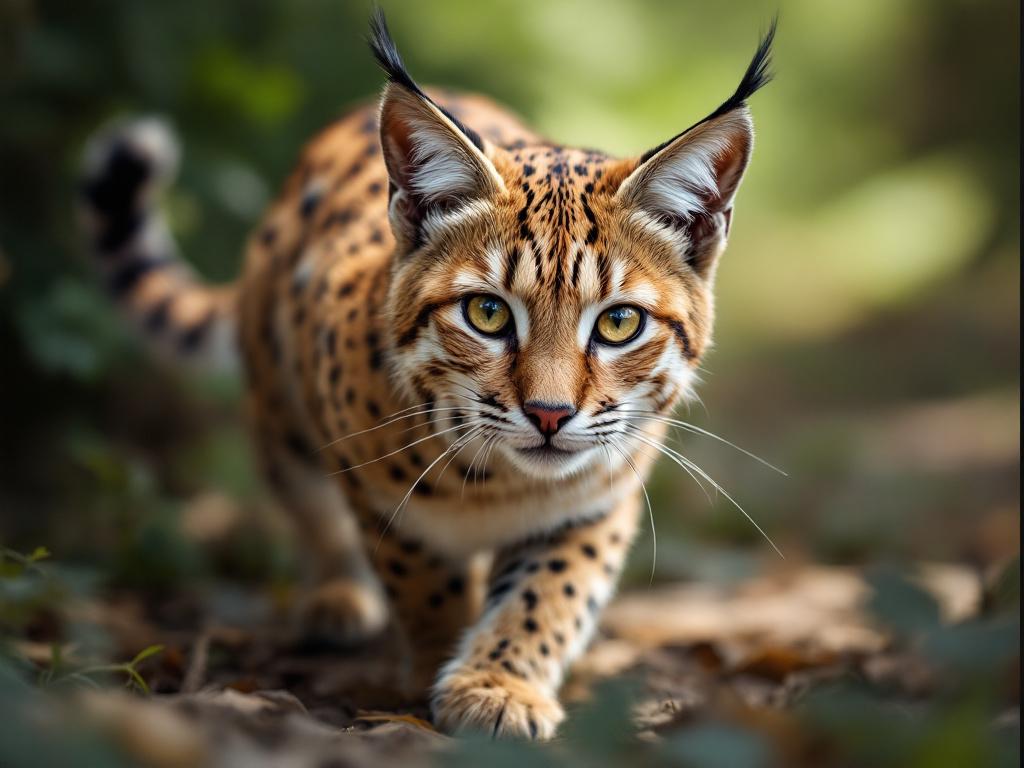
Image generated by flux-ai.io & content generated by ChatGPT Version 4o-mini
Bobcats in Osceola: Thriving Felines in a Changing Landscape
Osceola County is known for its beautiful lakes, parks, and rich wildlife. Among the many creatures that call this area home, the bobcat stands out as a fascinating and adaptable feline. Recent research sheds light on the status and habits of these remarkable animals, revealing both their resilience and the challenges they face due to rapid development in Florida.
Meet the Bobcat
Bobcats, scientifically known as Lynx rufus floridanus, are about twice the size of your average house cat, weighing between 15 to 35 pounds. With their distinctive tan and brown fur, small black spots, and bobbed tails, these stealthy hunters are truly a sight to behold. They thrive in a variety of habitats, from urban areas to wetlands, making them quite the adaptable species.
For residents of Osceola, spotting a bobcat can be a thrilling experience. They often hunt for their favorite meals, such as rabbits and rodents, during dawn or dusk. Their solitary nature means you’ll usually find them alone, except during mating season or when mothers are raising their kittens.
Bobcats and Development: A Delicate Balance
While bobcats are known for their adaptability, they are not immune to the impacts of human activity. In Florida, their population has been declining, a trend that concerns wildlife officials. As Osceola continues to grow, with new homes, roads, and businesses emerging, the natural habitats that bobcats rely on are shrinking. This loss of habitat can limit their hunting grounds and make it harder for them to thrive.
The bobcat’s ability to live in urban areas is a double-edged sword. On one hand, they can hunt in suburban backyards and nearby parks; on the other, increased human presence leads to more conflicts, such as encounters with pets or livestock. As Osceola’s population expands, it’s crucial to consider how we can coexist with these unique animals while minimizing negative impacts on their populations and habitats.
Why Bobcats Matter
Bobcats play an essential role in our ecosystem. As predators, they help control populations of smaller animals, which keeps the environment in balance. When bobcats thrive, it indicates a healthy habitat, benefiting not just them but the entire ecosystem, including local plants and other wildlife.
However, the research highlights that even adaptable species like the bobcat have limits. If development continues unchecked, it could push them toward becoming endangered. That’s why local conservation efforts are vital. By protecting and connecting green spaces—like parks, wetlands, and even backyards with native plants—residents can help sustain bobcat populations.
What You Can Do
There are simple ways you can support bobcats and other wildlife in Osceola County. Here are a few tips that align with best practices for landscaping for wildlife:
-
Plant Native Vegetation: Encourage local flora by planting native plants in your yard. This provides food and shelter for wildlife and supports local ecosystems.
-
Secure Your Garbage: Keep trash bins closed to avoid attracting bobcats and other animals. This reduces conflicts and keeps both pets and wildlife safe.
-
Avoid Poisons: Using poisons to control pests can inadvertently harm bobcats and other wildlife that may consume poisoned animals. It’s important to use wildlife-friendly pest management practices.
-
Manage Pets: Keeping pets indoors or securely contained can prevent them from harming wildlife and help maintain balance in the ecosystem.
-
Educate Others: Share information about bobcats and the importance of wildlife conservation with friends and family, promoting awareness of how human actions impact local wildlife.
By understanding the lives of bobcats and taking steps to protect their habitat, residents of Osceola County can help ensure that these fascinating animals continue to roam our landscapes for generations to come. Remember, every small action contributes to a larger impact in preserving the natural beauty and biodiversity of our community.
References
WEC399/UW444: Wildlife of Florida Factsheet: Bobcat. (n.d.). Ask IFAS – Powered by EDIS. https://edis.ifas.ufl.edu/publication/UW444