
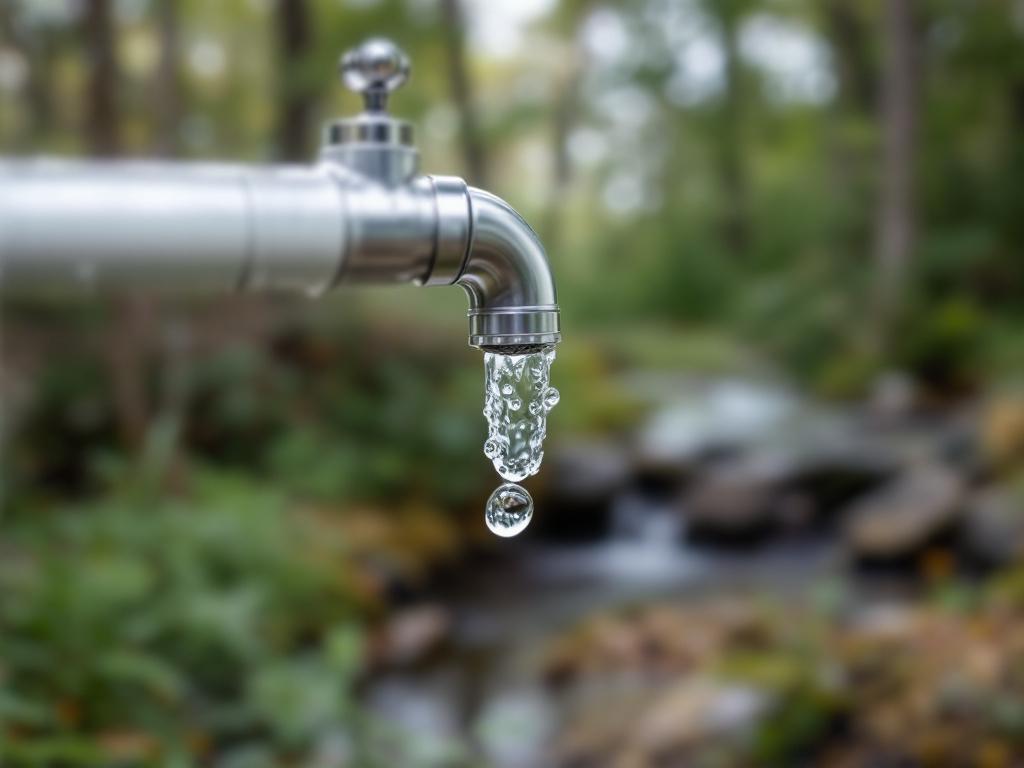
Image generated by flux-ai.io & content generated by ChatGPT Version 4o-mini
Protecting Our Drinking Water in Gadsden County: What You Need to Know
When you turn on the tap in your Gadsden County home, you expect clean, refreshing water to flow. But have you ever considered where that water comes from and how it stays safe? Protecting our drinking water sources is vital, especially in rural areas like Gadsden County, where many residents rely on aquifers and well water for their supply.
Where Does Our Water Come From?
In Florida, most drinking water comes from underground aquifers—natural underground layers that hold water. These aquifers are essential for Gadsden County, where the majority of residents depend on groundwater. According to studies, a significant portion of drinking water is sourced from these aquifers, emphasizing the need to protect them for our families and farms.
What Threatens Our Water?
As populations expand and new developments rise, our water sources face increasing risks of contamination. This danger arises from both point sources—like factories and wastewater treatment plants—and non-point sources, such as stormwater runoff from agricultural and urban areas. For example, fertilizers used on local farms can wash into waterways, degrading the quality of our drinking water.
In Gadsden County, where agriculture is a cornerstone of our economy, responsible use of fertilizers and pesticides is crucial. With 489 farms in the county, it’s imperative to utilize these chemicals wisely to minimize their impact on our water supply.
Government Efforts to Keep Water Safe
In Florida, the Department of Environmental Protection (DEP) sets regulations to ensure that public water systems are safe and clean. They conduct numerous tests each year to monitor water quality. Local governments play a critical role by establishing laws to protect sensitive areas around water sources.
For Gadsden County, this means our local leaders are dedicated to safeguarding our water supply. They review land development plans meticulously to reduce pollution risks and protect our natural resources, which are vital for both drinking water and agricultural needs.
How You Can Help
Protecting our drinking water is a shared responsibility that requires community involvement. Here are some actions you can take to help:
-
Be Cautious with Chemicals: When using fertilizers and pesticides, follow the instructions carefully to prevent runoff that can contaminate our water.
-
Proper Disposal: Dispose of medications and chemicals responsibly; never flush them down the toilet or pour them down the drain as they can pollute our water supply.
-
Maintain Your Septic System: If you use a septic system, ensure it is well-maintained to prevent leaks that could harm groundwater quality.
-
Spread Awareness: Educate friends and family about the importance of protecting our water sources. Increased awareness can lead to collective action to keep Gadsden’s water clean.
Conclusion
As residents of Gadsden County, we must take responsibility for protecting our drinking water. By implementing practices that minimize pollution and promote healthy water sources, we can ensure that our water remains safe for generations. The choices we make in our daily lives can have a significant impact on the health of our community and environment. So next time you fill a glass from the tap, remember your role in keeping our water clean!
References
SL280/SS493: Drinking Water Source Protection in the Tampa Bay Region: A Guide for Homeowners. (n.d.). Ask IFAS – Powered by EDIS. https://edis.ifas.ufl.edu/publication/SS493